Cheese Pizza Tips for Better Sauce, Crust, and Cheese
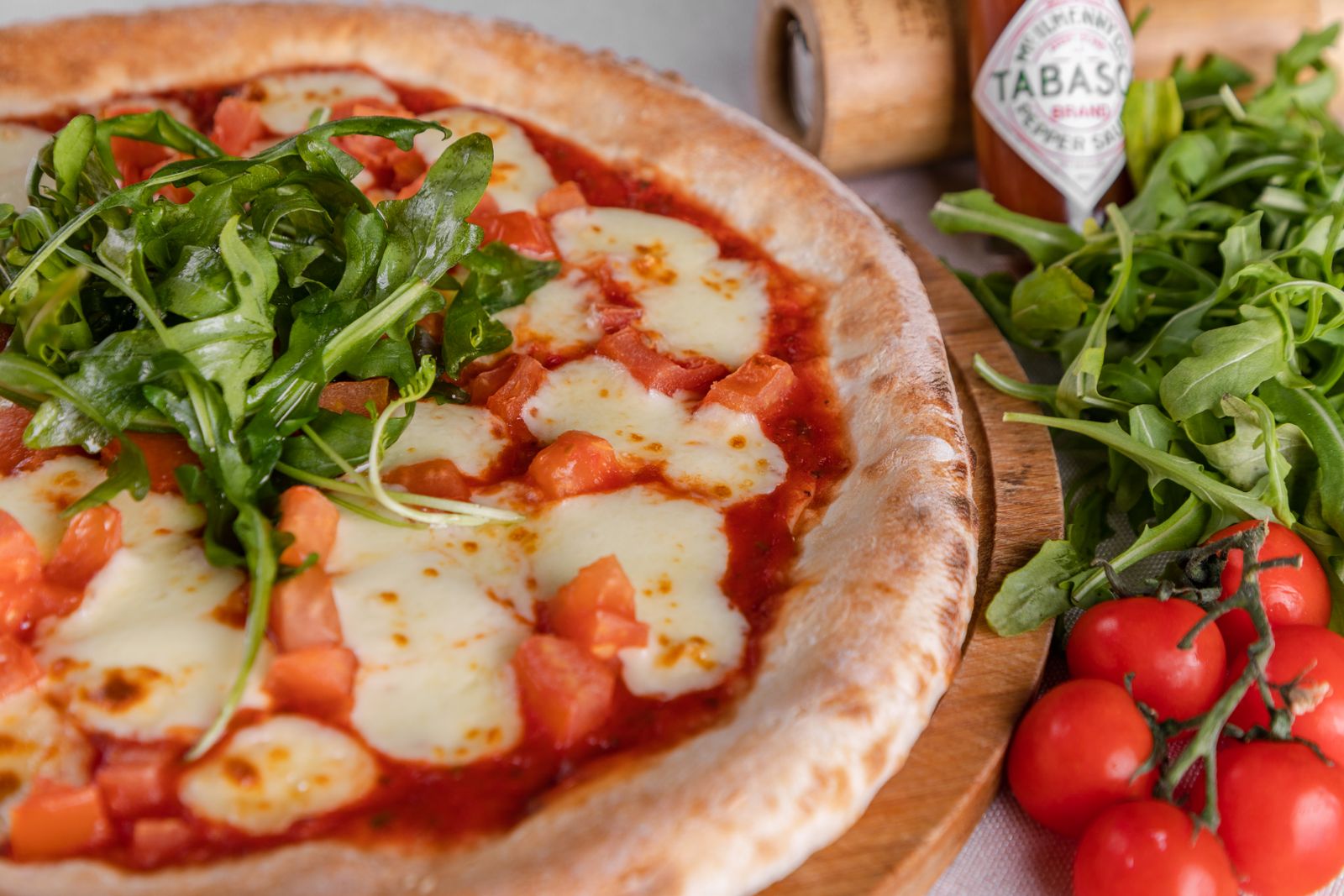
Cheese Pizza looks simple, and that is exactly why it exposes every weak spot in technique. There is nothing to hide behind. No pepperoni to distract from bland sauce, no mountain of toppings to disguise a soggy center, no vegetables to add moisture and complexity after the bake. When a plain pie comes out excellent, it is because the sauce is balanced, the crust is properly fermented and baked, and the cheese melts with intention rather than luck.
That sounds obvious, but the details are where most home cooks lose the plot. I have seen beautiful dough ruined by overloading sauce, and I have seen strong sauce formulas smothered under low-quality cheese that leaked oil by the spoonful. I have also seen people spend all their effort on dough while baking on a thin sheet pan that never got hot enough to brown the underside. Cheese Pizza rewards the cook who thinks in systems, not isolated parts.
A great pie starts before the first stretch. It starts when you decide what kind of pizza you want to make. Are you aiming for a New York style slice with a foldable crust, a pan pizza with a crisp fried edge, or a home oven adaptation that lands somewhere between the two? The answer changes your dough hydration, your sauce thickness, your cheese coverage, and even your bake time. One reason homemade pizza disappoints is that people borrow a dough recipe from one style, a sauce method from another, and a cheese approach from a third. The result is often confused.
Start by choosing a realistic target
Most home ovens top out somewhere between 475°F and 550°F. That is enough heat to make excellent Cheese Pizza, but not enough to perfectly imitate a wood-fired Neapolitan pie that bakes in about 90 seconds at much higher temperatures. Chasing that outcome with standard home equipment often leads to pale crust or burnt cheese before the dough sets.
If you work with a home oven, you will generally get the best results from one of two paths. The first is a deck-style approach using a preheated baking steel or stone. This suits thinner pizzas with a crisp bottom and a relatively quick bake. The second is a pan approach, often in cast iron or a dark metal pan, where the vessel helps conduct heat into the dough and gives you more forgiveness.
Neither path is superior in the abstract. They simply ask for different handling. A free-formed pie needs a dough that can stretch cleanly, hold shape, and release from the peel. A pan pizza can tolerate slightly softer dough and often benefits from extra olive oil under the crust. Once you choose the path, the rest gets easier.
Sauce is not just tomato, it is restraint
A good pizza sauce is more about concentration and balance than complexity. For Cheese Pizza Cheese Pizza especially, the sauce should taste bright and seasoned but not busy. If it is overloaded with sugar, dried herbs, garlic powder, onion powder, and pepper flakes, it starts reading like pasta sauce. Pizza sauce needs to support the cheese, not compete with it.
Canned whole tomatoes are often the strongest starting point because they are harvested ripe and packed consistently. In many home kitchens, they outperform out-of-season fresh tomatoes by a wide margin. Crush them by hand or pulse them briefly. You want some texture, but not big chunks that create wet pockets. If the tomatoes are very watery, let them drain briefly or simmer them enough to tighten the texture. The goal is a sauce that spreads easily in a thin layer and stays put.
Salt matters more than most people think. Underseasoned sauce makes the whole pie taste flat, even if your dough is good and your cheese is rich. A small amount of olive oil can round it out, but heavy oiling turns the sauce greasy. Sugar is usually unnecessary if the tomatoes are decent. If the can tastes especially acidic, a pinch can help, but that should be a correction, not a core ingredient.
Some pizza makers swear by uncooked sauce, and for certain styles that works beautifully. In a hot enough oven, fresh uncooked tomato sauce keeps a lively taste that reads clean and bright. In a lower-powered home oven, though, slightly cooked sauce often performs better because it sheds some excess water before it ever reaches the dough. That one adjustment can be the difference between a clean slice and a limp center.
One practical rule solves many sauce problems: use less than you think. People tend to over-sauce home pizzas because the crust looks bare before baking. Once the cheese melts and the tomato spreads under heat, that bare-looking surface fills in. If you can no longer see the dough through a thin coat of sauce, you are usually at or past the sweet spot for a standard Cheese Pizza.
Crust quality begins with fermentation, not flour myths
People love to debate flour, and flour does matter, but dough handling and fermentation matter more. You can make very good pizza with standard bread flour. You can also make mediocre pizza with expensive specialty flour if the dough is rushed, under-fermented, or poorly baked.
A solid pizza dough usually needs enough time to develop flavor and extensibility. Same-day dough can work, especially if you know how to manage temperature and yeast, but an overnight cold fermentation is easier to control and almost always more flavorful. The dough relaxes, the crust browns more evenly, and the interior develops that subtle wheaty sweetness people often describe as restaurant quality.
Hydration is another place where ambition causes trouble. Very wet dough looks impressive on social media, but it is harder to handle and often unnecessary in a home oven. For many bakers, a moderate hydration gives better results because it stretches cleanly and bakes through before the cheese overcooks. If you are struggling with sticking, tearing, or weak shaping, lowering hydration slightly is often more useful than adding more bench flour at the last second.
Kneading can be brief if you use time intelligently. A short mix followed by rest periods often develops enough structure with less effort. The dough should feel smooth, elastic, and alive, not stiff like modeling clay. If it snaps back aggressively when you stretch it, it likely needs more resting time. If it puddles and tears, it may be underdeveloped or too warm.
Salt in dough is not optional. It controls fermentation, strengthens structure, and improves flavor. I have tasted many technically acceptable crusts that were simply boring because the dough itself was not seasoned properly. Since Cheese Pizza has nowhere to hide, bland dough stands out immediately.
Heat is an ingredient
People talk about recipes as if pizza success is hidden in the dough formula, but the oven setup is often the real hinge point. A steel, in particular, can transform home pizza because it stores and transfers heat faster than a stone. That helps the bottom brown before the top dries out. Stones can still work well, but they generally need more preheat time and recover more slowly between pies.
If you use a steel or stone, let it preheat longer than seems necessary. Forty-five minutes is a practical minimum in many ovens, and an hour is often better. A surface that reads hot after ten minutes is not deeply saturated with heat. The difference shows up when the dough hits it. A properly heated surface gives immediate oven spring and earlier bottom set, which reduces the chance of sticking and sagging.
Broiler use can also be a game changer if your oven allows it safely. Some cooks bake most of the pizza first, then switch on the broiler for the final minute or two to drive top browning. Others preheat with the broiler active for part of the Cheese Pizza cycle, depending on oven design. That extra top heat helps melt and blister the cheese without forcing an excessively long overall bake.
For pan pizza, the pan itself becomes part of the heating system. A dark steel pan or cast iron skillet browns better than a shiny lightweight pan. A little oil under the dough can create a fried, crisp edge that tastes far richer than the ingredient list suggests. That is not cheating. It is one of the oldest tricks in the book.
Cheese selection makes or breaks Cheese Pizza
Mozzarella is the standard for a reason, but mozzarella is not one thing. Fresh mozzarella, low-moisture mozzarella, whole-milk mozzarella, part-skim mozzarella, pre-shredded mozzarella, block mozzarella, they all behave differently. If you use the wrong one for your style, you may end up with puddles of water, burnt spots, or a rubbery blanket.
For most home-baked Cheese Pizza, low-moisture whole-milk mozzarella is the safest and most satisfying choice. It melts smoothly, browns reasonably well, and brings enough richness without flooding the pie. Fresh mozzarella can be wonderful, but only if you manage its moisture. If you slice it and throw it on wet, you are asking for a soggy center. Draining and blotting make a real difference.
Pre-shredded cheese is convenient, but the anti-caking agents can interfere with smooth melt and leave a slightly dusty finish. Freshly grating or slicing from a block usually gives a cleaner result. That said, if pre-shredded is what you have, it is still usable. Just be aware that it may brown differently and clump more in places.
Blending cheeses can help, but it should be purposeful. A touch of provolone adds tang and stretch. A little fontina adds softness. Pecorino or Parmesan can sharpen the finish if used sparingly. The danger is losing the identity of the pie. On a true Cheese Pizza, the cheese should taste deliberate, not muddled.
Use enough cheese to cover the surface with confidence, but not so much that it forms a thick insulating layer. Too much cheese prevents moisture from escaping and can make the crust under the center stay soft. You want pockets of bubbling melt and some visible red peeking through in places, depending on the style.
Here are a few practical cheese choices that consistently work in home kitchens:
- Low-moisture whole-milk mozzarella for the main body of the pie
- A small portion of provolone if you want more savory depth
- Fresh mozzarella only when well-drained and used lightly
- Finely grated Parmesan or pecorino after the bake for a sharper finish
- Avoid very oily bargain mozzarella if it leaves orange slicks before baking ends
The stretch matters more than people think
A well-fermented dough still needs good handling. Press from the center outward and leave a slightly thicker rim if you want a defined crust. Resist the urge to mash every last bubble out of the edge. Those bubbles become the light, open rim that makes a plain pizza feel special.
Tossing dough in the air is not required. In most home settings, hand stretching on the counter gives more control. Use enough flour to prevent sticking, but not so much that the bottom turns dusty and bitter in the oven. Semolina or fine cornmeal can help on the peel, though too much can scorch. Many cooks use an avalanche of bench flour to feel safe, and then wonder why the underside tastes harsh.
If the dough keeps shrinking while you stretch it, stop fighting it. Let it rest for ten to fifteen minutes and return. Gluten that is still tight will not negotiate. If you force it, you create weak thin spots and a thicker ring elsewhere. The best shaping often looks calm rather than dramatic.
Assembly is where balance shows up
Once the dough is stretched, speed matters. The longer a topped pizza sits on the peel, the more likely it is to stick. Build with intent. Sauce first, then cheese, then any finishing accents. Some people scatter cheese first and dollop sauce over it for certain styles, and that can work, but for a classic Cheese Pizza in a home oven, sauce underneath is the more reliable path.
Keep the rim clean. Sauce and cheese dragged to the edge interrupt oven spring and create scorched drips. A narrow border, even half an inch, can be enough to give the crust room to rise and color.
A common home mistake is adding olive oil before the bake because it feels luxurious. Sometimes it is. Sometimes it simply creates greasy pooling on top of already rich cheese. Use it with judgment. A light drizzle can work on a lean pie with restrained cheese. On a heavily topped or already oily cheese blend, it usually does more harm than good.
Bake cues are better than bake times
Recipes love exact timing, but pizza responds to variables too quickly for rigid numbers to mean much. Oven calibration, dough temperature, steel thickness, hydration, sauce volume, and cheese type all shift the timeline. What matters more is reading the pizza.
You want a crust edge that has expanded and taken on real color, not just pale dryness. You want the bottom to show spotting or even browning rather than a blond, soft finish. The cheese should be fully melted and active, with bubbling in places and some caramelization if that fits your style. If the top is done and the bottom is weak, your baking surface likely needed more preheat. If the bottom burns before the cheese melts, the pie may be too low in the oven, or the steel may be too close to the heat source for your setup.
For many home bakers, moving the pizza higher or lower between pies is the adjustment that finally unlocks consistency. It is not glamorous advice, but it works.
Small finishing moves that make a big difference
A little grated hard cheese after baking adds an extra layer of seasoning because it lands on hot melted mozzarella and dissolves slightly without disappearing. Fresh basil can be lovely, but only if used sparingly on Cheese Pizza. Too much turns the pie into an herb salad and distracts from the dairy and tomato balance.
If you like red pepper flakes or dried oregano, add them at the table rather than all over the pie before baking. That keeps the base pizza clean and lets each person tune the flavor. I have seen excellent plain pies buried under so much dried oregano that every slice tasted like a pizza-flavored cracker. Restraint usually wins.
Resting the pizza for even a minute or two before slicing helps more than people expect. Molten cheese settles, the crumb finishes setting, and slices hold together better. Cut immediately, and the cheese can slide as one sheet.
The most common failure points
Most disappointing Cheese Pizza can be traced to a handful of issues. They tend to repeat because they come from good intentions pushed too far.
- Too much sauce, which steams the center and dulls flavor
- Too much cheese, which insulates the top and turns the pie heavy
- Insufficient preheat, which leaves the bottom pale and soft
- Dough that was rushed or under-rested, which fights shaping and bakes dense
- Fresh mozzarella used wet, which floods the surface during the bake
These are fixable problems, and fixing them does not require restaurant equipment. It requires noticing what happened and adjusting one variable at a time. If you change dough formula, oven position, sauce quantity, and cheese type all at once, you learn nothing from the result.
A note on style preferences
There is no single correct cheese coverage or sauce flavor profile for Cheese Pizza. Some people want a sweeter, smoother pizzeria style sauce. Others want brighter tomato acidity. Some prefer a mottled, blistered mozzarella top. Others want an even blanket with almost no browning. Professional judgment matters, but so does preference.
The strongest approach is to build a repeatable baseline and then tune from there. If your current pie is structurally sound, crisp enough underneath, flavorful in the crust, and balanced in moisture, you are already close. From there, preference can guide the final ten percent. More char, less char. Sharper finish, milder melt. Thicker rim, flatter profile.
That is the point where making pizza becomes truly enjoyable. You stop searching for the one magic recipe and start understanding the relationships between heat, hydration, fermentation, sauce concentration, and cheese behavior. Cheese Pizza is a deceptively honest teacher in that way. It gives quick feedback, and it rewards discipline.
A great plain pie does not need tricks. It needs well-fermented dough, tomato sauce that tastes alive but controlled, cheese selected for melt and balance, and enough oven heat to make the whole thing come together in a narrow window. Get those pieces aligned, and even a simple weeknight Cheese Pizza can taste like something far more ambitious.
The best versions have a crust that crackles faintly at the edge before yielding to a tender interior. The sauce tastes of tomato first, not sugar or dried spice blends. The cheese stretches without turning rubbery, and it leaves richness on the palate without coating it in grease. When those elements click, the pizza feels complete even in its simplest form. That is why so many professionals judge a shop by its plain slice. It tells the truth.
If you want better results next time, focus on one upgrade with the highest return. Preheat longer. Reduce your sauce by a spoonful. Switch from pre-shredded cheese to block mozzarella. Let the dough cold ferment overnight instead of making it same-day. Those modest changes often matter more than any dramatic overhaul. Cheese Pizza rewards precision, and precision is usually built through small, repeatable decisions.
Brooklyn Pizza
1647 Arapahoe Ave
Boulder, CO 80302
+1 720-328-2324
FAQ About Cheese Pizza
What type of cheese is used on a cheese pizza in Boulder, CO?
The cheese varies by pizzeria. Brooklyn Pizza uses whole-milk mozzarella made in-house on its standard pies and offers a plant-based cheese option for vegan pizza. Ask the shop directly about ingredients if you have a dietary restriction.
How many slices are in a large pizza in Boulder, CO?
Slice count depends on how the shop cuts the pie. Brooklyn Pizza lists a 16-inch large pizza. If you are ordering for a group, call to confirm the number of slices or ask whether a smaller cut is available.
What is New York style pizza in Boulder, CO?
New York-style pizza usually has a thin crust and wide slices that can be folded. A classic cheese slice pairs tomato sauce with mozzarella. Brooklyn Pizza serves New York-style pizza by the slice and as whole pies.